
In the earlier parts of this Commentary Series, I dwell on the more important reforms and actions that the government must do to make the lives of the Filipino people much better, achieve higher economic growth and improve public governance.
WE need the right leader to make the many programs articulated in this commentary series happen.
THE first dozen parts of this commentary series dwelt essentially on the exercise of powers of the presidency to make the necessary reforms and take appropriate actions to propel the Philippine nation to greater political and economic development and in so doing, break the cycle of poverty that is at present, extremely prevalent in our society and which creates suffering and humiliation among a great number of our people.
Investments, and in the case of the Philippines, foreign investments, is a big factor in driving economic growth. Unfortunately, for the past many years, the country has been behind most of our neighboring countries in attracting foreign investments. This low performance is a major reason why the Philippines has lagged behind most of the ASEAN countries in historical economic growth. We simply have not been competitive.
Since about five decades ago, the Philippine economy has gone what appears to be an irreversible downward spiral in comparison with our now 9 ASEAN neighbors. As shown in a World Bank report, in 2020, the Philippines ranked No. 6 in per capita income (gross domestic product) at almost US$3,000. Vietnam appears to be catching up on us soon, making us No. 7 and just ahead of Laos, Myanmar, and Cambodia. We used to be No. 1.
CORRUPTION, sadly, has become endemic in the Philippines. It is a big obstacle to economic growth and reduction of economic inequality. The huge amount of money that leaks out is not spent for the general welfare of the nation, but instead it goes to and enriches just a few.
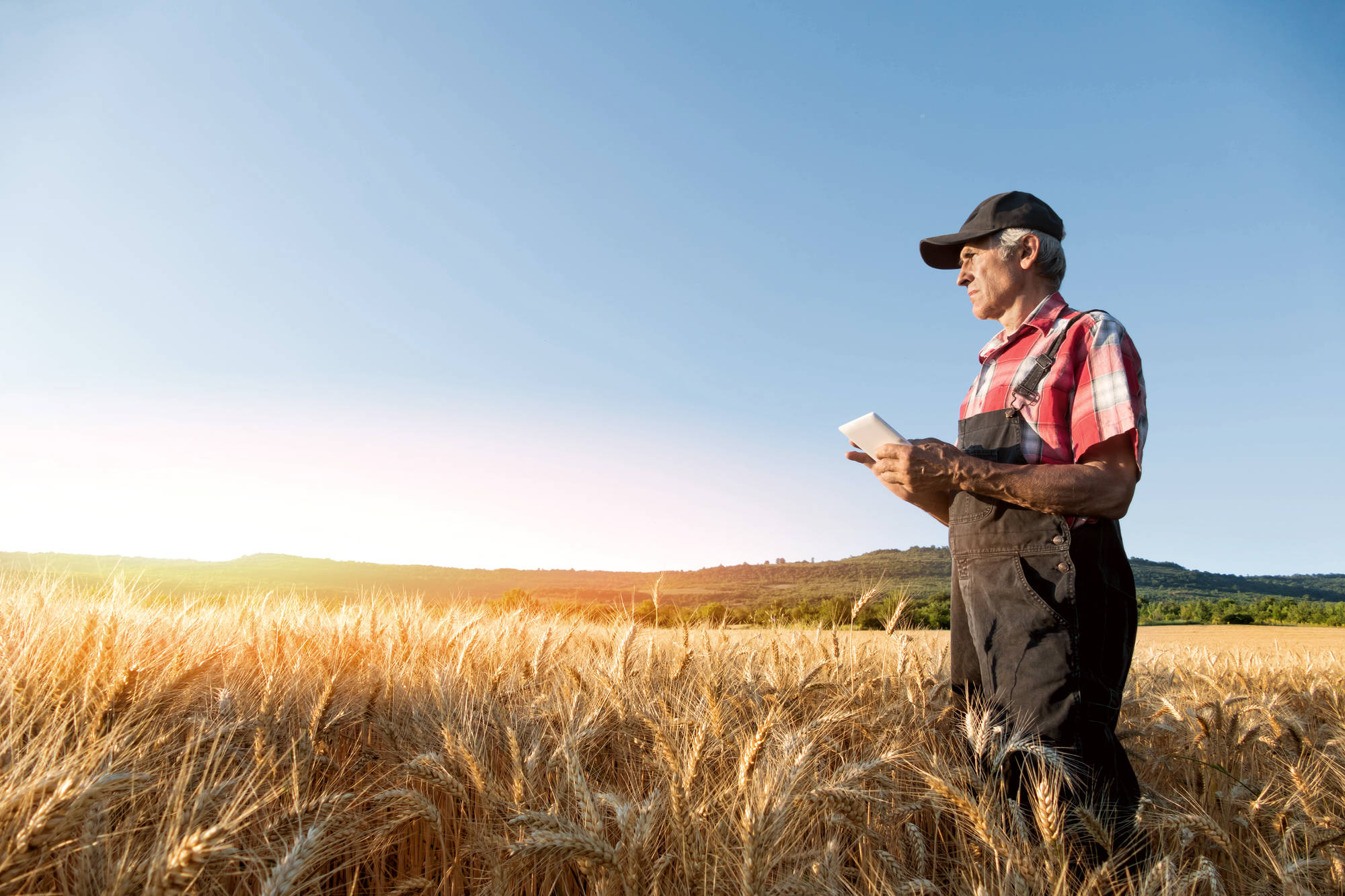
IMPROVING Philippine agriculture, which includes fishery and forestry products, has been a persistent major issue since much of the 20th century. Unfortunately, we still continue to struggle to come to grips with it.
AT present, the local government units (LGUs), with their Internal Revenue Allotments (IRA), are hardly mobilized to get directly involved in economic development.